


Bulgaria After the Euro: What Comes Next for the Economy and Society
Novinite.com
04 Jan 2026, 21:07 GMT+10

 Share
Share
 Tweet
Tweet
 Share
Share
 Flip
Flip
 Email
Email
Subscribe and Follow
Get a daily dose of Germany Sun news through our daily email, its complimentary and keeps you fully up to date with world and business news as well.


News RELEASES
Publish news of your business, community or sports group, personnel appointments, major event and more by submitting a news release to Germany Sun.
More InformationPolitics, debt and scepticism stall euro adoption across EU
BRUSSELS, Belgium: Bulgaria's entry into the euro zone this week has narrowed the list of European Union countries still using national...
Cross-Channel rail resumes, passengers warned of lingering disruption
PARIS, France: Cross-Channel rail travel began moving again on New Year's Eve after a power supply fault forced Eurostar to suspend...
Ryanair CEO Michael O'Leary calls PM ‘useless’, hopes he’s out by July
DUBLIN, Ireland: Ryanair chief executive Michael O'Leary has called Taoiseach Micheál Martin useless and believes he will be ousted...
Bulgaria After the Euro: What Comes Next for the Economy and Society
Bulgaria has now completed its transition to the euro, closing a chapter that began more than 28 years ago with the introduction of...
EAM Jaishankar to visit France, Luxembourg to deepen strategic, bilateral engagements

New Delhi [India], January 4 (ANI): External Affairs Minister (EAM) S Jaishankar will be on a six-day official visit to France and...
Eurozone manufacturing slumps - S&P
The health of the sector is declining amid the military buildup and continued support for Ukraine ...
Politics, debt and scepticism stall euro adoption across EU
BRUSSELS, Belgium: Bulgaria's entry into the euro zone this week has narrowed the list of European Union countries still using national...
Man tells gardaí of 3 drug trips of million euros each from Dublin
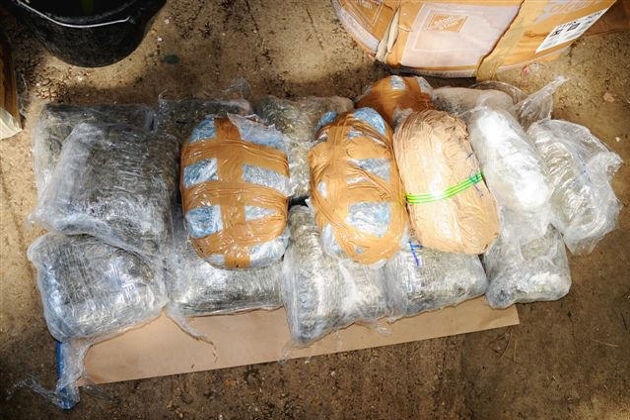
DUBLIN, Ireland: A father of two who appeared in court in Cork on January 2, allegedly told gardaí that he had transported around one...
Clooneys in the eye of a storm after becoming French citizens
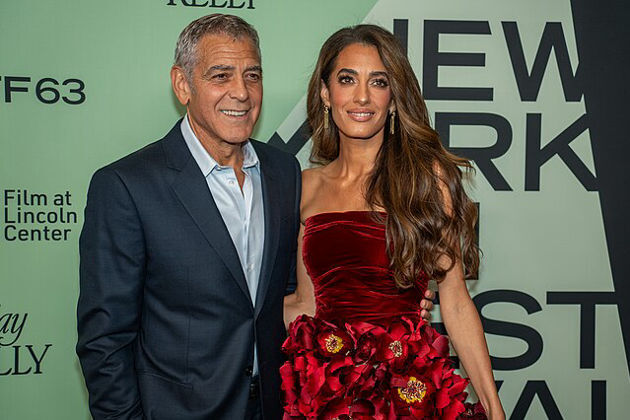
PARIS, France: The government, on December 31, defended the granting of citizenship to actor George Clooney, his wife Amal, and their...
Dublin Port Tunnel raises toll on some motorways by 1 euro
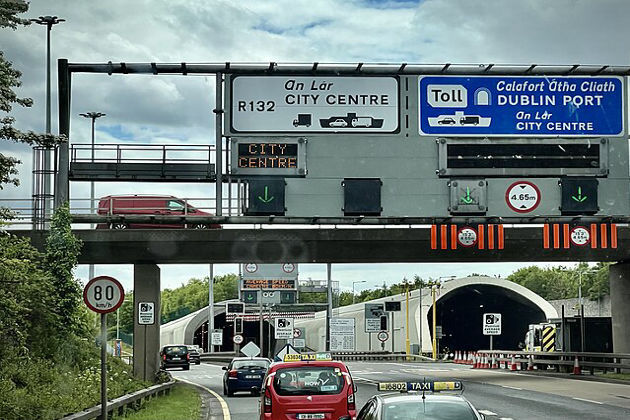
DUBLIN, Ireland: Motorists will have to pay an additional 1 euro as the toll on some motorways from January 1 between 6 a.m. and 10...
German bank vault broken into, property worth millions of euros looted
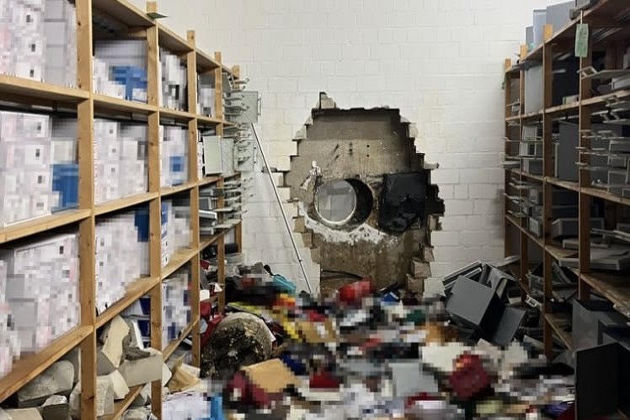
GELSENKIRCHEN, Germany: Thieves drilled into a German bank vault in Gelsenkirchen and stole tens of millions of euros worth of property...
Hospital trolleys used to treat over 114,000 patients in Ireland
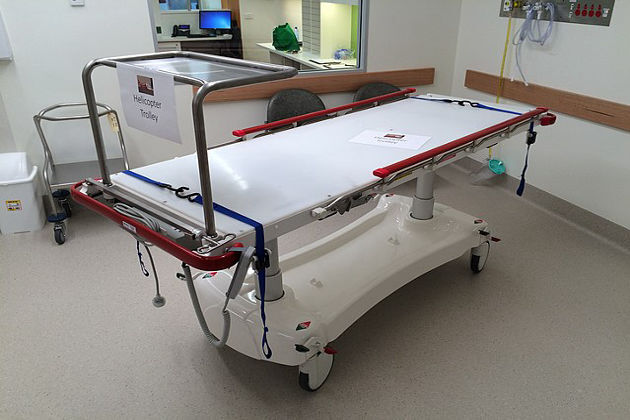
DUBLIN, Ireland: Over 114,000 people in Ireland, including more than 1,248 children, were treated on hospital trolleys because of the...
